You do not need to automate everything at once. Choose the spaces and everyday actions you want to improve, then agree the system scope.
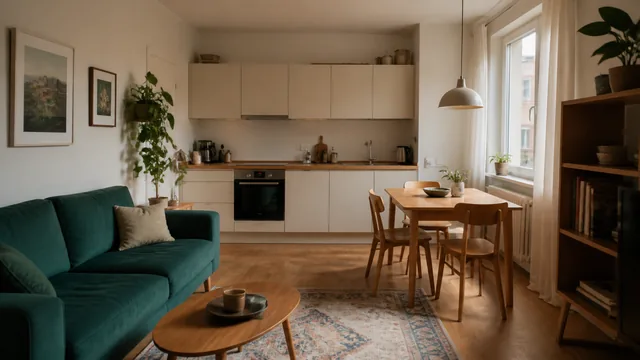
Apartment
Start with lighting and curtains in one room: evening lighting for relaxation, selected lights off when leaving and manual control by the bed. First agree the furniture layout, lighting groups and switch positions.
Separate regularly used and seasonal spaces. Discuss circulation lighting, temperature and water monitoring, connectivity and behaviour after power loss. Check remote access separately from in-home control.
Guests need familiar switches and controls without a mandatory app. Operators need separate permissions, easy servicing and repeatable equipment sets. Test the routines in one pilot room before equipping the full property.
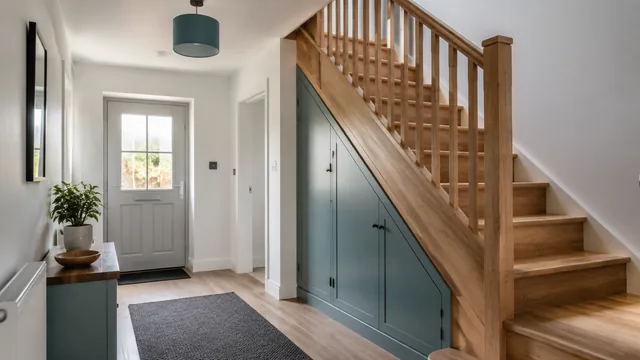
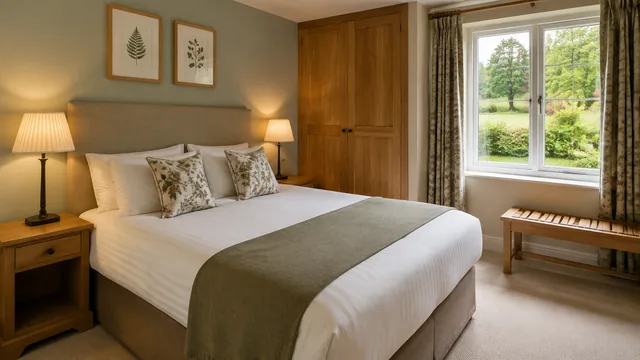
Interior concepts illustrate possible areas of use, not installed systems or ready-made kits.
What the system may include
These are topics to discuss with your designer, not a mandatory shopping list. Expand a relevant topic and check which starting information you already have.
Lighting and lighting routines
Separate lighting groups, familiar wall controls and dimming where useful. Check the light, driver and control device together; appearance does not establish dimming compatibility.
What to prepare: Furniture and lighting plans, switching groups, control positions and desired routines.
Opening on command or schedule, coordinated with lighting. For a motorised track, check fabric weight, track length and shape, motor position, power and access after finishing work.
What to prepare: Window and recess dimensions, fabric choice, motor position and manual-control method.
Discuss which rooms need temperature changes and when. A qualified specialist must check compatibility with the actual heating, cooling and ventilation models. Percentage savings claims cannot replace calculations based on your building and use.
What to prepare: Existing or planned equipment, occupancy pattern and supported controls.
Water and leak monitoring
Identify monitoring locations and notification recipients. If automatic shut-off is needed, specify a compatible actuator and end-to-end testing separately. Agree valve access, servicing and communication-failure behaviour before installation.
What to prepare: Wet-area, appliance and valve positions, plus notification requirements.
Bring devices, hubs and apps into one specification. For each function, record dependence on the internet, controller and power. A protocol name alone does not establish that the whole routine works; test the actual equipment combination.
What to prepare: Network layout, existing devices, region of use and required functions.
Define permissions for owners, family, guests and service staff. Agree manual controls, configuration handover, updates and replacement. Transfer passwords and access codes securely, never through a public enquiry form.
What to prepare: Who uses and services the system, and which handover documents are required.
Start without unnecessary purchases
Brief
Plan, renovation stage, routines, existing equipment and an indicative budget.
Pilot setup
Specification, compatibility checks and a demonstration of selected functions before the main order.
Preparation and acceptance
Agreed installation, routine and failure checks, instructions and owner-access handover.
This site contains archival references and illustrative concepts, not live shop inventory. Models, availability, prices and terms are agreed for your project.
Before ordering
Electrical plan, loads, communication protocols, manual controls, configuration and maintenance access. No ready-made kit or specific models are offered here yet.