20, 40 and 45 ft containers
Compare internal dimensions, door openings and allowed cargo mass.
Photos illustrate equipment types, not our stock. Figures are separate reference examples, not specifications of the photographed unit. Photo credits and licences
On a narrow screen, scroll the table sideways to see all specifications.
| Type | Inside L × W × H, m | Door W × H, m | м³ / m³ | Payload, kg |
|---|---|---|---|---|
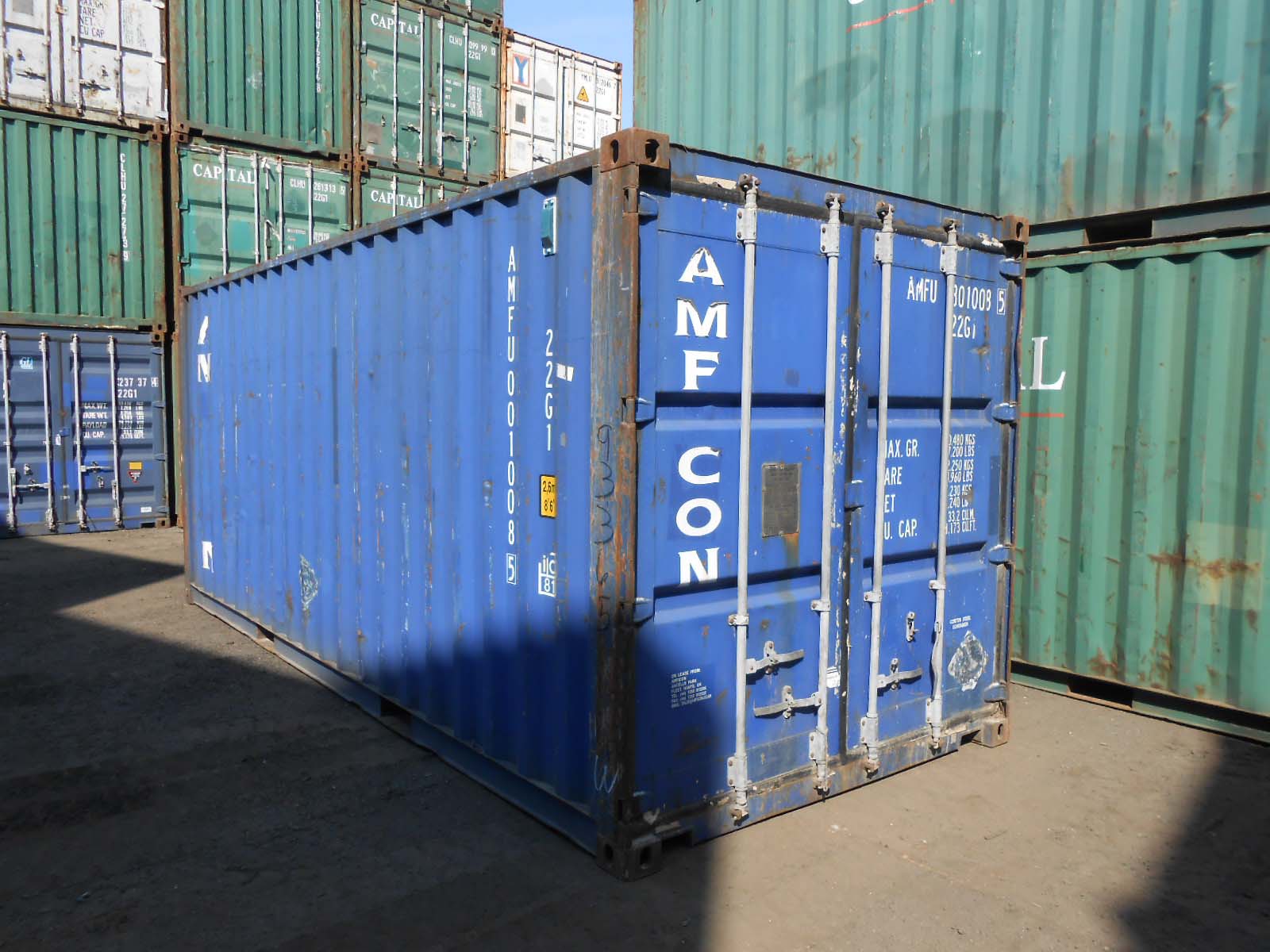 20′ GP 20′ GP | 5.9 × 2.352 × 2.395 | 2.34 × 2.292 | 33.2 | 28,130 |
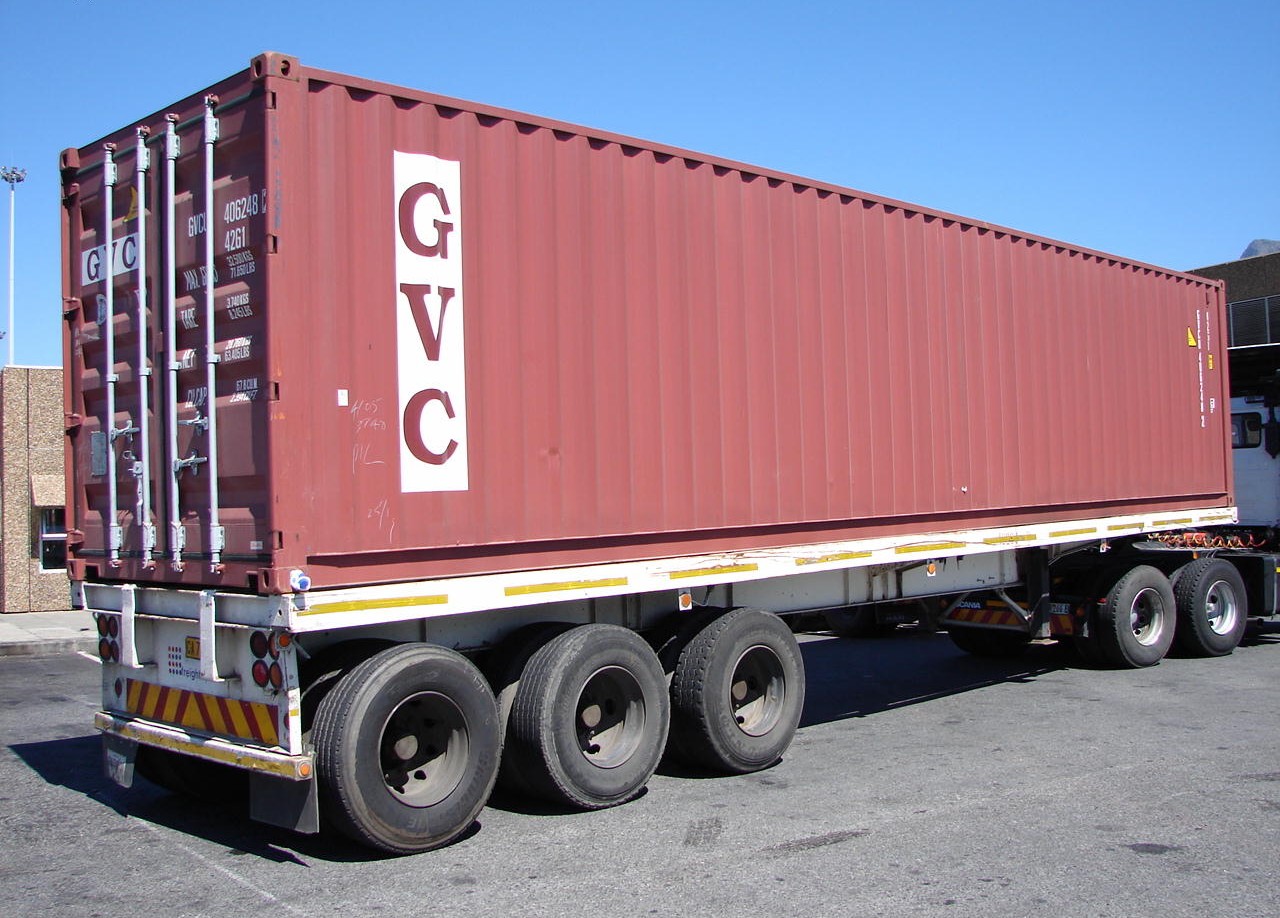 40′ GP 40′ GP | 12.032 × 2.352 × 2.395 | 2.34 × 2.292 | 67.7 | 28,750 |
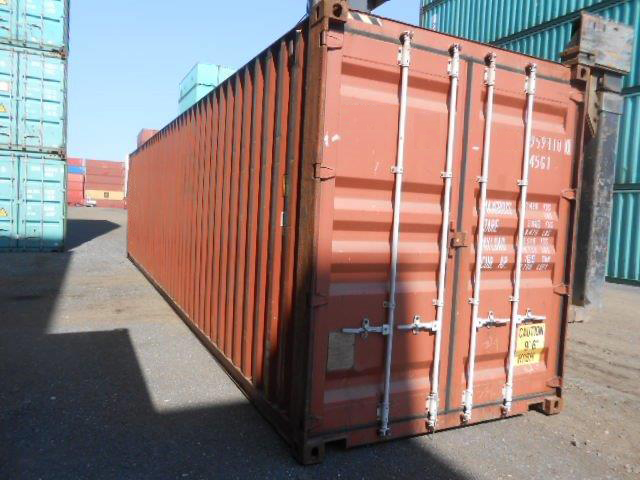 40′ HC 40′ HC | 12.032 × 2.35 × 2.7 | 2.34 × 2.597 | 76.3 | 28,600 |
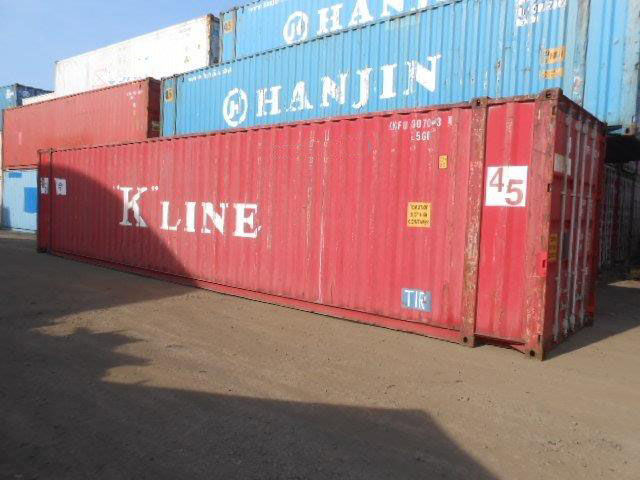 45′ HC 45′ HC | 13.556 × 2.352 × 2.7 | 2.34 × 2.597 | 86 | 27,700 |
These are examples, not your container certificate. Manufacturers differ. Before booking, check the CSC plate, tare, carrier, road and rail limits. ISO 45G1 denotes a 40 ft HC, not a 45 ft length. Confirm 45 ft HC route availability separately.
What affects loading
- Dense cargo often reaches weight limits first; bulky cargo reaches space limits.
- Pallets, crates, securing and clearance consume space and add weight.
- Do not exceed permitted stacking for fragile cargo. Door openings are smaller than the interior.
- Mixed cargo requires a separate stowage, securing and weight-distribution plan.
Why catalogue figures differ
Meizong slides 9–10 show different examples: 20 ft DV 33.2 m³ / 28.33 t; 40 ft DV 67.8 m³ / 26.74 t; 40 ft HC 76.4 m³ / 26.59 t. Do not mix these with dimensions of other equipment. The planner uses one consistent Hapag-Lloyd reference series; users can lower payload for their route.
Formulas and limitations
- Volume = package length × width × height in metres × quantity. Divide millimetres by 1000. Mass = gross package mass × quantity.
- The volume/weight minimum is the larger of shipment volume / reserved container volume and shipment mass / payload limit, rounded up. It ignores gaps between packages.
- The grid checks doorway, floor rotation, dimensions, tiers, mass and reserve. Tiers are the permitted vertical stack, not total quantity. Multiple groups use separate containers; this is not mixed-cargo optimization.
- Duty = row customs value × rate / 100. Import VAT = (row customs value + duty) × VAT rate / 100. Customs value is not added to expenses again. Results are rounded to kopecks per row.
- Only non-excise commercial imports into Russia from outside the EAEU with ad valorem duty. A customs representative must confirm classification, tax base and rates. This is not a customs declaration or final supply price.
Formulas, reference values and images are hosted here. Once loaded, the calculator makes no external requests. Opening the site still requires internet access.
Tax model: Russian Tax Code article 160(1). FNS notice dated 21 January 2026: standard VAT is 22% from 2026; confirm applicability to the goods. Checked 9 September 2026. Rates are not filled automatically.